%20copy.png)
How Does Summer Heat Affect Roofs in Cedar Grove, NJ?


Summer heat can be hard on any roof, especially during long stretches of hot weather in Essex County. If you are looking for a reliable roofing contractor in Cedar Grove, NJ, it helps to understand what heat can do before small issues turn into leaks, shingle damage, or ventilation problems.
At All Professional Remodeling Group, we have handled residential and commercial roofing across Northern NJ since 1996, and summer is when many heat-related problems start to show.
What Happens to Asphalt Shingles in Extreme Heat
Asphalt shingles are common on homes throughout Cedar Grove, and they are made to handle normal seasonal heat. The problem starts when the roof surfaces get much hotter than the air outside. On a sunny summer day, dark shingles can reach temperatures well above 150°F.
That kind of heat can loosen the protective granules on the shingle surface. Those granules help shield the asphalt layer from UV damage. If you start seeing a lot of granules in your gutters after a hot stretch, the shingles may be wearing down faster than they should.
Sustained heat can also soften the asphalt. Shingles may begin to curl, warp, or lose adhesion at the strips that help keep them sealed. Once that happens, wind and storm damage become more likely.
The Influence of Heat on Flashing and Sealants on Roofs
Flashing refers to the metal material placed around chimneys, skylights, walls, and other joints on roofs. Sealants are also applied around the same joints as a protection measure against water. Both flashing and sealants are worn down by heat.
Metals expand during the daytime and contract during the nighttime. Over many years of undergoing such a process, the flashing could be displaced and peel off the surfaces. The sealants might become dry, crack, or detach from the surface.
Once there is a failure of any of the components, then water would find an easy passage into the building. For that reason, we always ensure that flashing is replaced along with a full replacement of the roof. Using old flashing on a new roof causes early leakage problems.
The Impact of Attic Heat on the Condition of Roofs During Summer
It is not only exposure to sunlight that causes roof damage. The heat collected in the attic is another reason for such roof issues. In the absence of proper attic ventilation, the temperature
in the attic can become much higher than the temperature outside during warm weather conditions.
This accumulated heat is baking the roof from below. In the long run, this heat can accelerate the process of shingle aging and exert pressure on the roofing deck. If the roofing deck becomes dry or warped, shingles will not be laid properly, even if they are installed properly.
Proper ridge and soffit ventilation systems help remove excess heat from the attic.
Signs That Summer Heat Has Already Damaged Your Roof
Some heat damage can be seen from the ground. Curling shingles, bare spots, missing granules, blistering, or uneven-looking sections of the roof are all worth checking.
You may also notice signs inside the home. A ceiling stain during summer, even when there has not been recent heavy rain, should not be ignored. An attic that stays very hot long after sunset may also point to poor airflow.
If you notice these issues, it is better to have the roof inspected before the next storm exposes a weak spot.
How We Protect Northern NJ Roofs Against Summer Heat
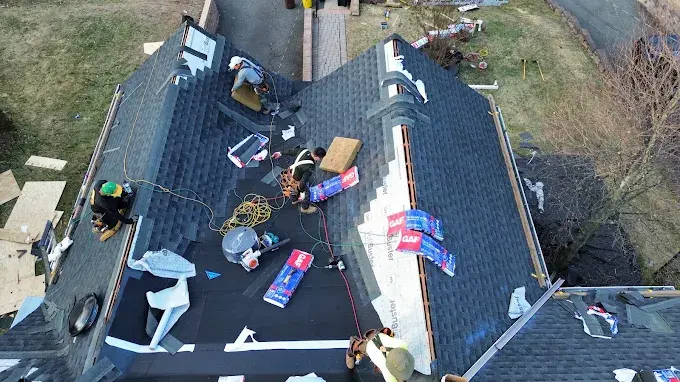
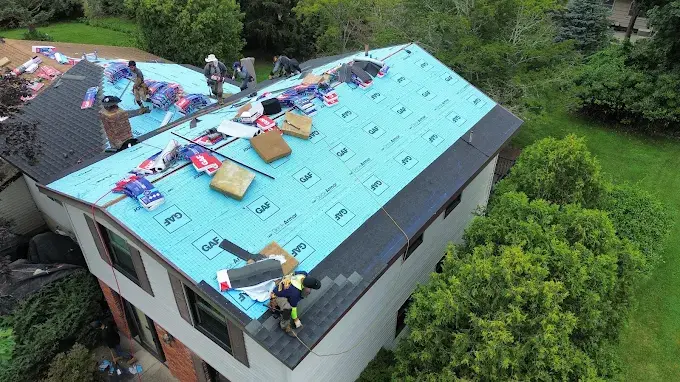
Our roofing work in Cedar Grove and across Northern NJ is built around the weather homes face here. We use GAF Timberline HDZ shingles as our main residential roofing product, and we install roof systems with ventilation in mind.
As a GAF Master Elite contractor, we can offer qualified homeowners the GAF Golden Pledge warranty. That includes 50 years on materials and 25 years on workmanship, and it can transfer to the next homeowner.
Every roof replacement includes a ventilation review. We do not install new shingles and leave behind attic conditions that can damage them from below. Our in-house crew handles the work, with no subcontracting on any part of the job.
Related Topics:

Comments