%20copy.png)
How Can You Identify Storm Damage on a Roof in Cedar Grove, NJ?


After a nor’easter, hail, or a strong summer thunderstorm, it is natural to wonder whether your roof was damaged. The problem is that storm damage is not always easy to see from the ground. Skilled roofing professionals can spot issues that may not show up until weeks or months later, after water has already started working into the roof system.
At All Professional Remodeling Group, we have handled storm damage inspections and residential roof repairs across Northern NJ since 1996. Here is what Cedar Grove homeowners should know after a storm.
Why Storm Damage Is Harder to See Than Most People Expect
Some storm damage is obvious. Missing shingles, visible holes, or a fallen tree limb are easy to notice. Other damage is much harder to catch.
Hail can leave small dark marks or bruises on shingles that are difficult to see from below. Strong wind can lift a shingle just enough to break the seal without tearing it off completely. A quick look from the yard can help, but it does not replace a close inspection.
What to Look for After a Storm in Cedar Grove
After a storm, look for shingles that are missing, shifted, curled, or lifted. Check the gutters and the base of downspouts for a sudden buildup of shingle granules. Heavy granule loss after a storm can be a sign of hail impact or shingle damage.
Look at flashing around chimneys, skylights, and roof edges if visible from the ground. Bent, lifted, or separated flashing can give water a path into the home. Gutters can also tell you something. If aluminum gutters show dents or pitting, the shingles may have taken a similar impact.
After high winds, pay attention to ridge caps along the peak of the roof. These areas are more exposed and often take the first hit during wind damage.
Interior Signs That Often Point to Roof Damage
Storm damage does not always cause a ceiling leak right away. Water can enter through damaged flashing or lifted shingles and travel along rafters before showing up somewhere else.
Check the attic within 24 to 48 hours after a major storm if you can do so safely. Look for damp decking, new water stains on rafters, or daylight coming through gaps. If you cannot access the attic, watch ceilings and walls for new stains, bubbling paint, or discoloration in the days after the storm.
Differences Between Cosmetic and Structural Storm Damage
However, not all roof markings can be treated the same way. In many cases, granule loss could be cosmetic, particularly for new roofs. The latter type is more severe, involving either a cracked shingle mat, a broken flash, or even a compromised deck.
This difference plays a role in both repair and insurance claims procedures. Typically, most homeowner insurance companies cover unexpected storm damage and not aging. It would be advisable to inspect the roof as soon as possible after the storm.
What to Do After Identifying Possible Storm Damage
If you see possible roof damage, do not wait too long to have it checked. A small opening can let in water and create a much larger problem over time, especially before winter weather arrives.
We provide free storm damage inspections across Cedar Grove, Essex County, and Bergen County. Our team documents what we find, explains the repair scope clearly, and can help guide you through the insurance claim process if the damage may be covered.
How We Handle Storm Damage Repairs Across Northern NJ
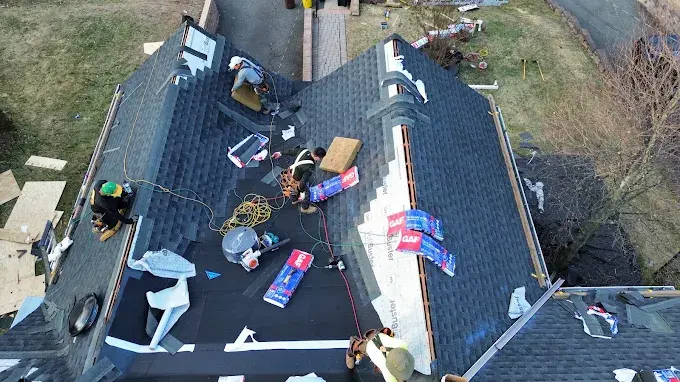
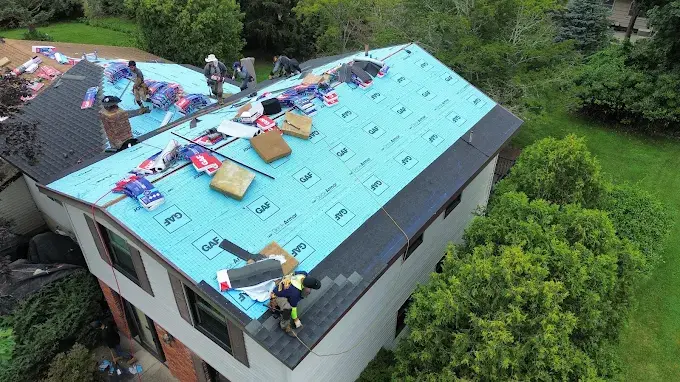
As a GAF Master Elite contractor, we handle storm repairs with the same standards we use for full roof replacements. We do not cover over damage that needs a proper repair. If decking is compromised, we replace it. If flashing is failing, we replace it rather than simply sealing over it.
All work is completed by our in-house crew, with no subcontractors on any project. For qualifying roofing work, we can offer the GAF Golden Pledge warranty, which includes 50 years on materials and 25 years on workmanship and is fully transferable to the next homeowner.
Related Topics:

Comments