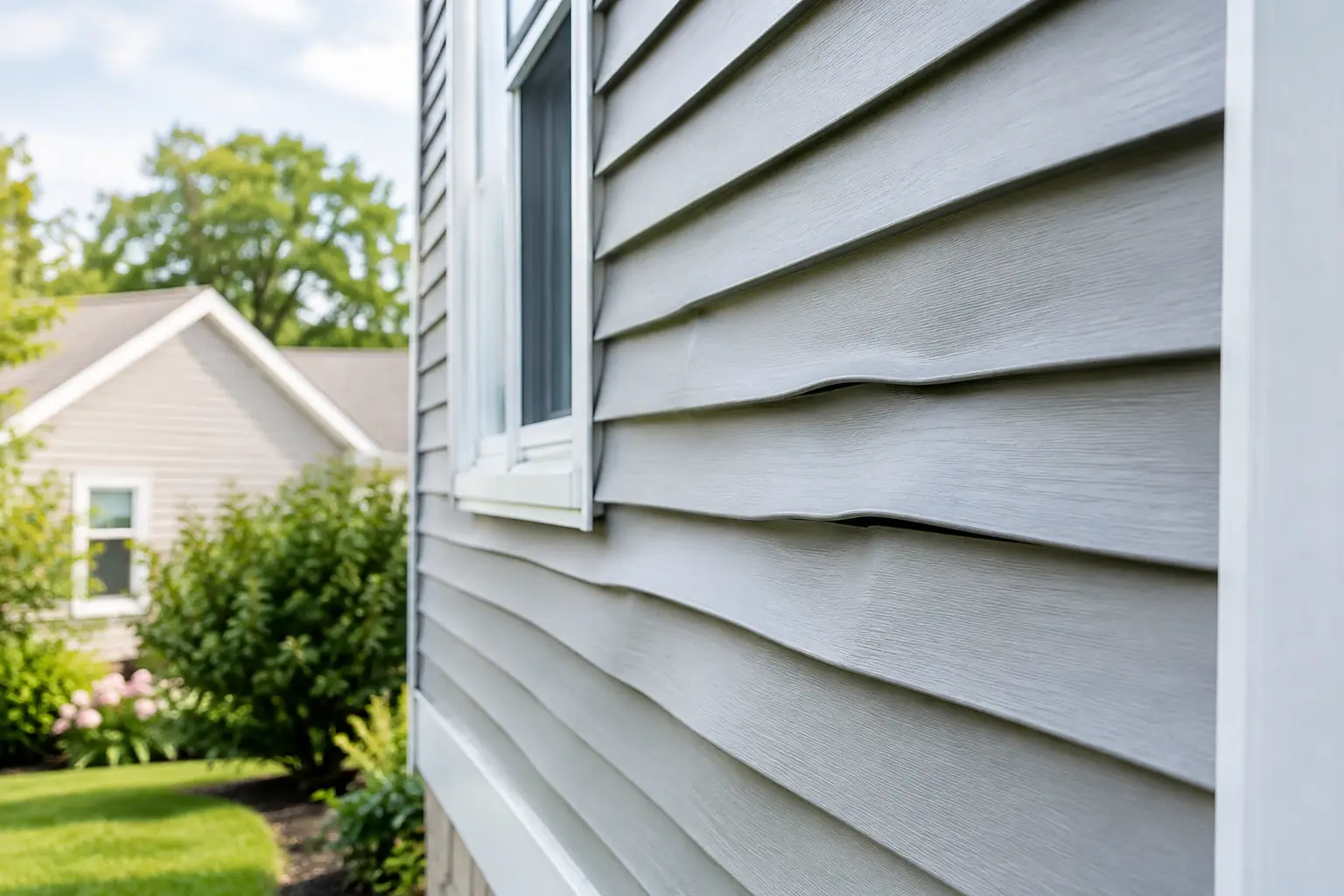
A warped siding panel can start as a small ripple near a window or a section that no longer sits flat against the wall. Left alone, it can become more than a curb-appeal problem. Homeowners often ask what causes siding warping because the visible distortion may point to heat exposure, moisture intrusion, installation issues, or movement within the wall system itself.
For Cedar Grove-area properties, seasonal temperature swings, heavy rain, snow, and strong sun all put exterior materials to work. The right repair depends on identifying the source before replacing damaged panels. Covering the issue without correcting the underlying condition can lead to the same problem again.
What Causes Siding Warping Most Often?
Warping occurs when siding changes shape, buckles, bows, or pulls away from its intended position. Vinyl siding is especially vulnerable to heat-related expansion, while fiber cement, engineered wood, and wood siding can react differently to moisture and installation conditions. The material matters, but so does the way the entire exterior assembly was installed.
Excessive Heat and Thermal Expansion
Vinyl siding expands when temperatures rise and contracts when temperatures fall. That movement is normal. Problems begin when panels do not have enough room to move freely or when extreme heat softens the material.
A common source of concentrated heat is reflected sunlight. Low-E windows on a neighboring home, large glass doors, or highly reflective surfaces can direct intense heat onto one narrow area of siding. The result is often a visibly melted, wavy, or distorted section that stands out from the rest of the wall. Dark siding can absorb more heat as well, particularly on walls with long afternoon sun exposure.
In some cases, a grill placed too close to the house or a heat source venting near the siding can cause localized damage. Heat damage is not always a sign of poor installation, but improper installation can make normal thermal movement much more destructive.
Nails Driven Too Tight
Vinyl siding is designed to hang on the wall rather than be nailed rigidly in place. Installers must place fasteners in the center of the nailing slots and leave appropriate clearance so each panel can expand and contract.
When nails are driven tight against the siding, the panel cannot move as temperatures change. It may buckle between fasteners, ripple along its length, or pull at the edges. Fasteners placed at the end of a slot instead of the center can create a similar problem. This is one reason siding installation should never be treated as a simple cosmetic upgrade. Small fastening errors can affect the performance of an entire wall.
Moisture Behind the Siding
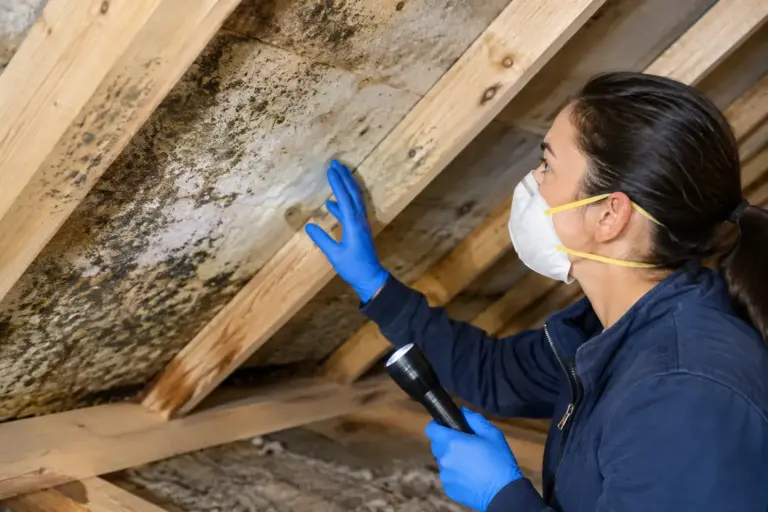
Warping may also be a warning that water is getting where it should not be. Rain can enter behind siding through failed caulk, damaged flashing, missing trim, improperly installed windows, roof leaks, or overflowing gutters. Once moisture reaches the wall sheathing or framing, those materials can swell, shift, or deteriorate. The siding then loses the flat, stable surface it needs to sit properly.
Moisture-related warping is especially concerning when you also see soft spots, peeling paint, stains inside the home, mildew odors, or swollen trim. Fiber cement siding does not melt like vinyl, but it can still show problems when persistent moisture affects the structure behind it or when the boards were installed without required clearances from roofs, soil, decks, or masonry.
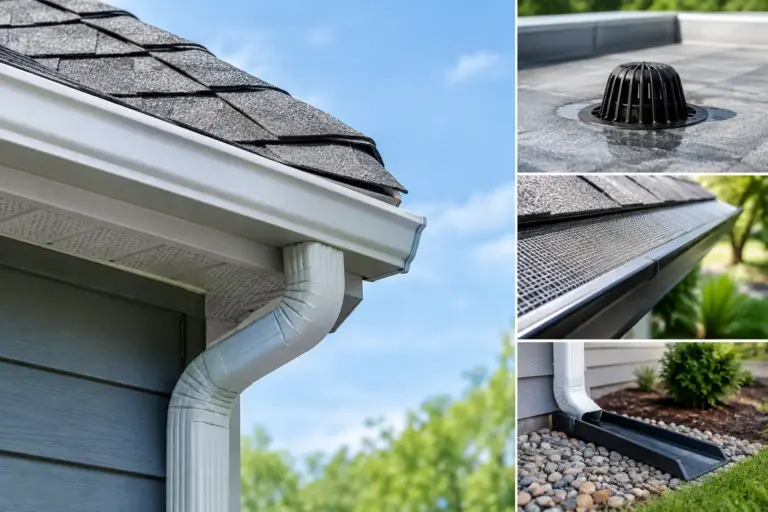
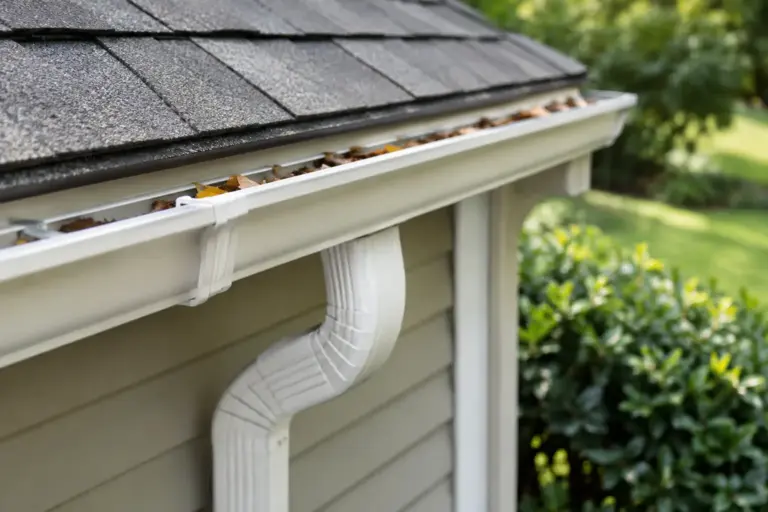
Good water management matters here. Roofing, gutters, flashing, windows, and siding all work together to move water away from the building. A failure in one area can eventually show up somewhere else.
Poorly Installed or Missing Flashing
Flashing directs water away from vulnerable transitions, including roof-to-wall intersections, windows, doors, chimneys, and trim details. If flashing is missing, damaged, or installed in the wrong sequence, water can work behind the siding during wind-driven rain.
This issue is often hidden until panels begin to loosen or warp. Replacing only the distorted siding may improve appearance temporarily, but it will not stop moisture from entering. A proper inspection should include the surrounding trim, roofline, gutters, window openings, and wall condition behind the affected area.
Inadequate Ventilation and Trapped Heat
Walls need to manage moisture vapor and heat. Inadequate attic ventilation can make upper exterior walls and roof edges hotter than expected, particularly in summer. While ventilation alone does not usually warp siding, it can contribute to higher temperatures and moisture conditions that stress exterior materials over time.
The same is true when insulation, housewrap, drainage planes, and siding components are not properly coordinated. Exterior remodeling works best as a system. The goal is not just to make the house look finished, but to help it shed water, manage airflow, and remain stable through changing weather.
Structural Movement or Deteriorated Sheathing
Sometimes the siding is not the original problem. Settlement, framing movement, water-damaged sheathing, or a wall that has shifted can cause panels to appear bowed or uneven. This is more likely when the warping follows a broad section of wall rather than a single panel.
Older homes may also have layers of previous siding, uneven wall surfaces, or concealed rot that complicate a replacement project. A contractor should assess whether the wall is sound before installing new siding. Installing premium siding over unstable sheathing sacrifices the long-term value homeowners expect from the investment.
How to Tell Heat Damage From Moisture Damage
The shape and location of the warping offer useful clues. Heat damage is commonly concentrated in a specific sunny area and may look melted, shiny, or unusually wavy. It can appear near windows, grills, vents, or reflective surfaces.
Moisture damage often occurs around rooflines, windows, doors, corners, or areas beneath overflowing gutters. You may notice discoloration, loose trim, soft wood, mold, or repeated problems after heavy rain. Buckling across a larger wall can indicate fastening errors, trapped moisture, or movement behind the siding.
A visual check is helpful, but the cause is not always obvious from the ground. Removing damaged material without a full assessment can miss compromised flashing or sheathing behind it.
Can Warped Siding Be Repaired?
It depends on the material and the cause. A single vinyl panel damaged by reflected heat may be replaceable if matching material is available and the surrounding wall is dry and properly installed. However, melted vinyl does not return to its original shape. It must be replaced.
If the problem comes from tight nailing, missing flashing, a failed gutter system, or wet sheathing, repair should address those conditions first. This may involve removing multiple panels, repairing the wall surface, correcting flashing details, and reinstalling siding with the proper clearances and fastening method.
Fiber cement siding may require replacement when boards crack, swell at edges, or lose their protective finish. With any siding type, color matching can be a consideration. Older siding can fade over time, so a new panel may look different even when the original color is still available.
When to Schedule a Professional Siding Inspection
Do not wait for widespread damage if you notice siding that is buckling, pulling away, cracking, or soft to the touch. Prompt inspection is particularly worthwhile after a major storm, roof leak, gutter overflow, window replacement, or exterior renovation.
A qualified exterior contractor can determine whether the issue is limited to the siding or connected to roofing, gutters, windows, flashing, or the wall structure. That broader view protects your property from repeat repairs and helps preserve its appearance, energy performance, and value.
For homeowners who want a clear answer before committing to repairs, All Professional Remodeling Group can evaluate the affected exterior area and recommend a solution built for lasting protection. Addressing warped siding early gives you the best chance to correct the cause while the repair is still manageable.