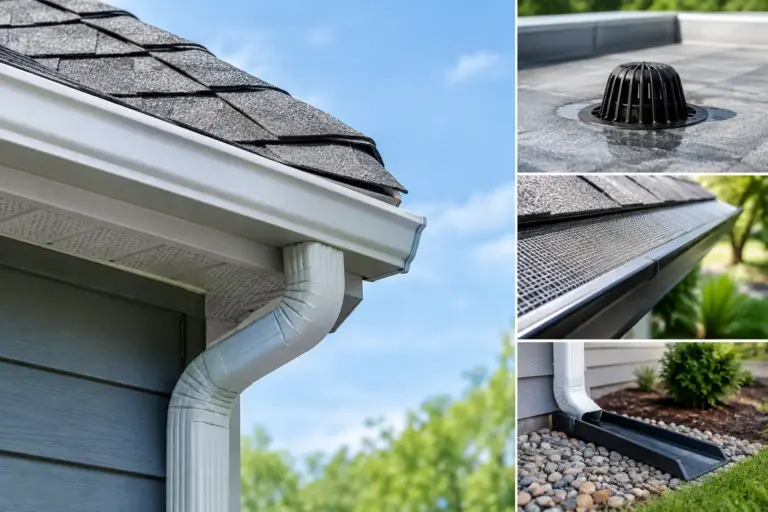
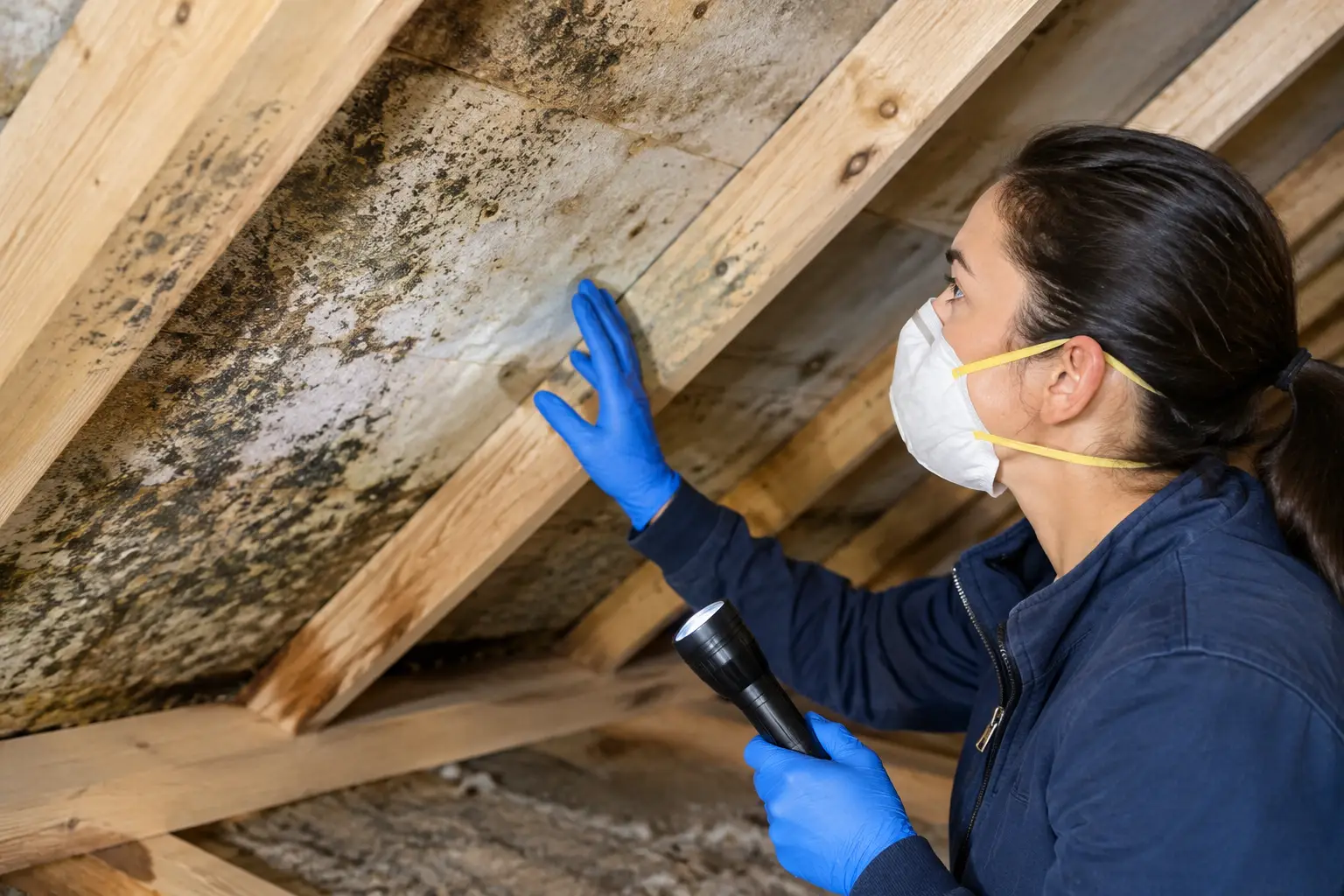
A dark stain on attic sheathing is rarely just a cosmetic problem. In many North Jersey homes, attic mold causes can be traced to a moisture issue that has been developing quietly through changing seasons. Left alone, that moisture can affect roof decking, insulation performance, indoor comfort, and the long-term condition of the roof system.
Mold needs moisture, a surface to grow on, and enough time. Attics provide plenty of wood framing and roof sheathing, so the real question is where the water vapor or liquid water is coming from. Finding that answer early helps property owners correct the source instead of simply cleaning visible mold and hoping it does not return.
The Most Common Attic Mold Causes
Roof leaks and damaged roofing materials
A roof leak is one of the most direct causes of attic mold. Missing shingles, cracked flashing, deteriorated pipe boots, worn valleys, and improperly sealed skylights can allow rain or melting snow into the attic. Sometimes the leak is obvious, with wet insulation or active dripping. Other times, water enters only during wind-driven rain and leaves behind a small, recurring damp area on the roof deck.
Leaks near chimneys, dormers, vents, and roof-to-wall transitions deserve particular attention because these details rely on correctly installed flashing. A repair that addresses only the visible shingle damage, but not the flashing beneath it, may not solve the moisture problem.
In Cedar Grove and throughout northern New Jersey, winter weather can make these problems harder to spot. Freeze-thaw cycles can widen small openings, while snow and ice may hold moisture against vulnerable roof areas longer than a typical rainstorm would.
Poor attic ventilation
Many attic mold issues are caused by condensation rather than an active roof leak. Warm, humid air rises from the living space below. When that air reaches the colder underside of the roof during fall and winter, it can condense on sheathing, nails, and framing. Over time, repeated condensation creates ideal conditions for mold growth.
A balanced ventilation system helps move moist air out of the attic while allowing replacement air to enter. This typically means intake ventilation at the soffits paired with exhaust ventilation near the ridge or high on the roof. The exact design depends on roof layout, attic size, insulation depth, and whether the attic is vented or part of a conditioned building envelope.
More vents are not automatically better. Randomly adding roof vents can disrupt airflow or create new leak points if they are not installed and integrated correctly. Proper ventilation is a system, not a collection of openings.
Blocked soffit vents and insulation problems
Soffit vents can be present but ineffective when insulation blocks the airflow path. This is common in attics where insulation was added without baffles or where older insulation has shifted over time. Without clear intake airflow at the eaves, hot and humid attic air may remain trapped even if ridge vents or other exhaust vents are in place.
Insulation can also contribute to mold when it is insufficient, compressed, wet, or poorly installed around attic hatches and exterior wall plates. Gaps in insulation allow warm household air to escape into the attic. That air carries moisture, especially when people are cooking, showering, doing laundry, or using humidifiers during heating season.
The goal is not simply to add more insulation. The attic needs a well-planned combination of air sealing, correctly installed insulation, and ventilation appropriate for the roof assembly.
Air leaks from the home below
An attic often reveals problems that began inside the house. Openings around recessed lights, plumbing stacks, electrical wiring, ductwork, bathroom fans, and attic access doors can allow a steady flow of warm, moisture-laden air into the attic.
Bathroom exhaust fans are a frequent concern. A fan that vents directly into the attic, has a disconnected duct, or uses an uninsulated duct that collects condensation can introduce significant moisture. Dryer vents should never discharge into an attic for the same reason.
These issues may create mold in concentrated areas rather than across the entire roof deck. For example, staining above a bathroom may point to a ventilation duct problem, while mold around an attic hatch may indicate missing weatherstripping or inadequate air sealing.
How to Tell Whether Moisture Is Coming From Above or Below
The location and appearance of attic staining can provide useful clues, although a professional inspection is the best way to confirm the source. Water marks concentrated near a roof penetration, valley, chimney, or exterior wall may suggest a leak from above. Mold spread broadly across the underside of roof sheathing, especially near the ridge, often points to condensation and poor airflow.
Look for these warning signs during a safe visual inspection:
- Dark, fuzzy, or speckled staining on wood sheathing or rafters
- White staining, rusted nails, or visible moisture on the underside of the roof deck
- Damp, matted, or discolored insulation
- A musty odor near the attic access point
- Bathroom or dryer ducts that end inside the attic or appear disconnected
Do not walk on exposed ceiling drywall or disturb suspect materials without proper protection. Attics can have hidden safety hazards, including unstable flooring, exposed wiring, and limited clearance. If mold covers a large area, the roof deck feels soft, or water damage is visible, bring in qualified professionals rather than attempting a surface-level cleanup.
Why Cleaning Mold Alone Is Not a Lasting Repair
Mold treatment may be necessary, but it is only one part of the solution. If a roof leak, air leak, or ventilation deficiency remains, the mold can return after cleaning. In some cases, aggressive cleaning can also damage roof sheathing or spread spores if the area is not properly contained.
A lasting repair begins with moisture control. That may involve replacing damaged roofing materials, correcting flashing, improving attic intake and exhaust ventilation, air sealing bypasses from the living space, repairing exhaust ducts, or replacing wet insulation. The right scope depends on what the inspection finds.
There are trade-offs. A roof replacement may be the best long-term choice when shingles, flashing, and decking have reached the end of their service life. But if the roof is structurally sound and the issue is a disconnected bath fan duct or blocked soffit vents, a targeted repair may be more appropriate. A reliable contractor should explain the evidence behind the recommendation, not treat every attic mold concern as an automatic full roof replacement.
Protecting Your Attic Before Mold Develops
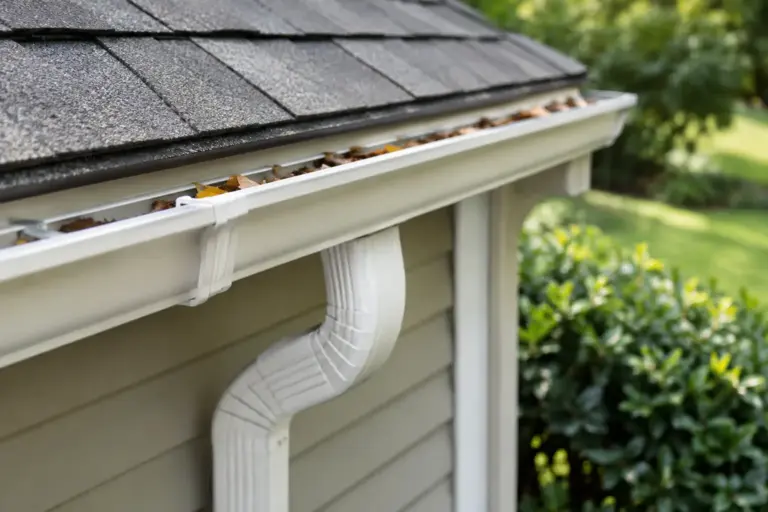
The most effective prevention is regular exterior and attic maintenance. After major storms, check for missing shingles, bent flashing, clogged gutters, and signs of water entering around skylights or roof penetrations. Keep gutters and downspouts flowing so water does not back up along roof edges or overflow near the foundation.
Inside the home, use bathroom exhaust fans during showers and for a period afterward. Make sure ducts vent outdoors, not into the attic, soffit, or garage. If your home has an attic hatch, confirm that it closes tightly and is insulated. During colder months, watch for frost, condensation, or musty odors in the attic before those small signs become more costly damage.
A professional roof and attic assessment is especially worthwhile if you are noticing recurring ice dams, unusually high humidity, stains on upper-level ceilings, or aging roofing materials. These symptoms can overlap, and the source is not always visible from the ground.
For homeowners who want clear answers, All Professional Remodeling Group can evaluate roofing details, ventilation conditions, and exterior moisture risks as part of a practical repair or replacement plan. The goal is to protect the roof system, preserve the home’s value, and address the condition causing the mold rather than covering it up.
If attic staining or odors have started to appear, treat them as an early warning. The sooner the moisture path is identified and corrected, the more options you are likely to have for protecting your roof, insulation, and living space.