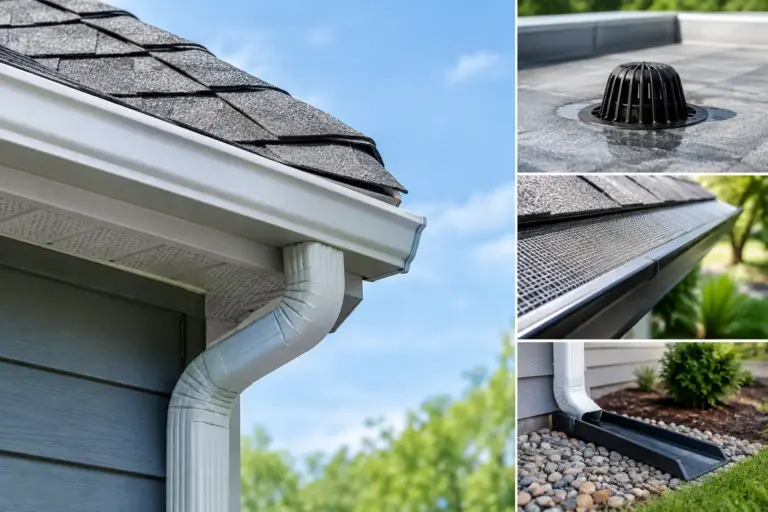
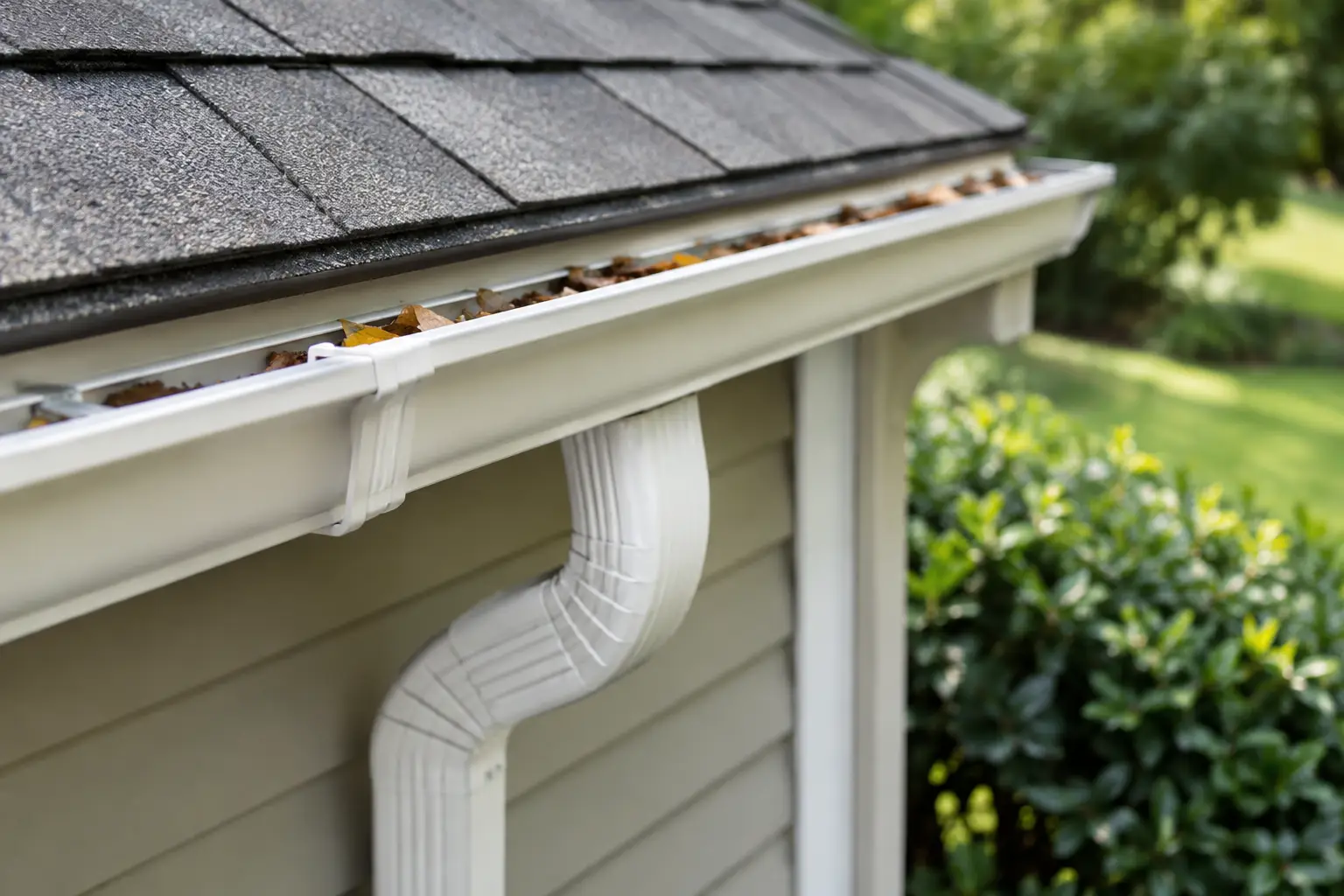
A hard New Jersey downpour can expose a drainage problem in minutes. Water spilling over gutter edges, pooling beside the foundation, or cutting channels through mulch is not simply a gutter issue. It is a warning that your home needs effective gutter drainage solutions to move roof runoff safely away from the building.
A properly designed gutter system protects more than the roofline. It helps preserve siding, soffits, landscaping, walkways, foundation walls, and basement spaces. For Cedar Grove-area homeowners and commercial property owners, the right solution depends on roof size, gutter capacity, site grading, soil conditions, and where water can be discharged responsibly.
Gutter Drainage Solutions Start With the Whole System
Gutters can only perform as well as the components connected to them. A system should collect water from the roof, carry it through properly sized downspouts, and release it far enough from the structure that it cannot flow back toward the foundation.
When one part falls short, water finds another path. Undersized gutters may overflow during heavy rain. Loose or clogged downspouts can force runoff behind siding or onto entryways. A short splash block may release water directly beside the house, where it can saturate soil and create hydrostatic pressure against basement walls.
The first step is identifying the source of the problem rather than adding a quick fix. A professional inspection should look at the roof’s drainage area, the pitch of the gutters, the number and location of downspouts, fascia condition, visible leaks, and the grade around the building. This broader view helps avoid spending money on an extension when the real issue is inadequate gutter capacity or a failing gutter installation.
Size Gutters and Downspouts for Real Rainfall
A large or steep roof sheds a significant amount of water during a storm. Standard residential gutters may be sufficient for a modest roof section, but larger roof planes, valleys, and areas where several slopes meet often need wider gutters or additional downspouts. These locations concentrate runoff and are common overflow points.
Downspouts matter just as much as gutters. If there are too few, or if they are too small for the volume of water being collected, the gutters can back up even when they are clean. Adding a downspout can be a practical improvement, but placement matters. It should direct water toward a suitable discharge area, not toward a driveway, neighboring property, or low spot near the building.
Seamless aluminum gutters are a common choice because they are durable, low-maintenance, and formed to fit the structure. The quality of the installation is critical. Gutters need the correct slope, secure fastening, and carefully sealed connections so water flows to the outlets instead of standing inside the system.
Choose Gutter Drainage Solutions for Your Property
There is no single drainage product that works for every property. The best approach is based on the amount of runoff, available yard space, the building’s grading, and the location of patios, walks, gardens, and neighboring structures.
Downspout Extensions and Splash Control
For many homes, extending the downspout is the most direct way to improve drainage. Extensions carry water farther from the foundation before releasing it onto a properly sloped area. They can be above-ground, hinged for mowing access, or connected to a more permanent drainage route.
Above-ground extensions are often cost-effective and easy to inspect. The trade-off is appearance and convenience. A visible extension can interfere with landscaping or lawn care, and it may be damaged by foot traffic, snow removal, or equipment. It is still a strong option where there is adequate space and positive grading away from the home.
Splash blocks can help prevent erosion directly below a downspout, but they are not a complete answer for serious drainage issues. They disperse water only a short distance. If the surrounding soil slopes toward the foundation, water may still return to the house.
Underground Drain Lines
Underground drainage is a cleaner-looking solution when runoff needs to travel across a landscaped area or beneath a walkway. A buried pipe can connect to a downspout and carry water to a designated outlet, such as a pop-up emitter, dry well, or approved stormwater discharge point.
This option requires careful design. Pipes must have enough slope to drain, and the outlet must be positioned where water will not create a new problem. In northern New Jersey, installation depth, pipe material, and drainage layout should also account for debris, freezing conditions, and access for maintenance.
An underground line is not automatically better than an extension. If the outlet is poorly located, if the pipe has insufficient pitch, or if sediment accumulates inside, a hidden system can be difficult to diagnose. Professional planning and cleanout access make a major difference in long-term performance.
Grading, Swales, and Drainage Areas
Gutters direct water off the roof, but the ground must be able to receive it. Soil should slope away from the building so surface water continues moving outward. In some yards, a shallow swale can guide runoff around the home and toward a safer drainage area without creating a harsh-looking trench.
Low spots near a foundation should be addressed before they become recurring wet areas. Regrading may be needed if water lingers after storms, especially near basement walls, patios, or garage slabs. Landscaping should also be considered. Mulch beds can hide standing water, while compacted soil may prevent runoff from soaking in where intended.
For properties with limited space or persistent saturation, a dry well or engineered drainage solution may be appropriate. These systems allow water to disperse gradually below grade, but they need suitable soil conditions and adequate capacity. Local requirements may apply, particularly for commercial sites or drainage work that affects public areas and adjacent properties.
Gutter Guards as a Maintenance Solution
Gutter guards do not replace proper drainage design, but they can reduce clogs that lead to overflow. Leaves, roof grit, twigs, and seasonal debris can block gutter channels and downspout outlets. When that happens, even a correctly sized system cannot carry water as designed.
The right guard depends on the roof, nearby trees, and gutter style. Some products keep out larger debris but allow fine material to build up over time. Others may perform well in heavy leaf conditions but require professional installation to avoid affecting roof edges or water flow. A guard should be selected for performance, not simply because it promises a maintenance-free gutter.
Warning Signs That Drainage Needs Attention
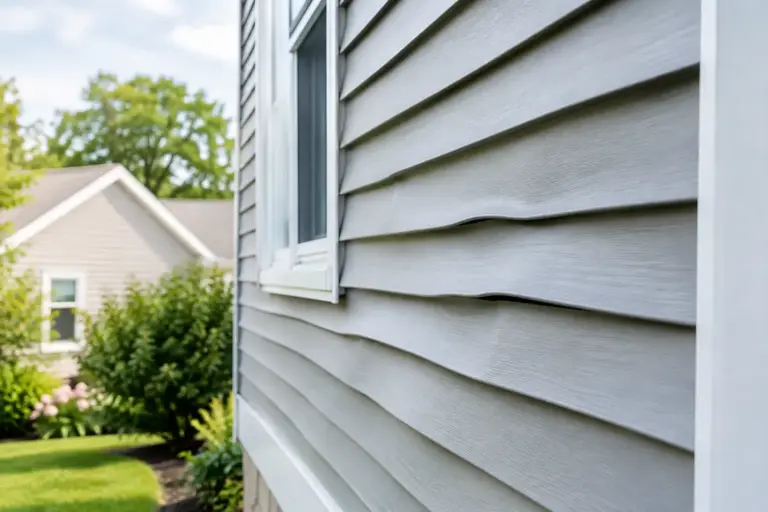
A drainage issue is often visible long before it causes a major leak. Watch for water overflowing during normal rainfall, peeling paint near the roofline, stained siding, sagging gutters, washed-out mulch, or soil pulling away near downspouts. Damp basement walls, musty odors, recurring puddles, and icy patches along walkways can also point to poor runoff control.
Commercial properties may show different signs, including water collecting near entrances, loading areas, flat-roof drain outlets, or parking surfaces. These conditions create safety concerns as well as potential damage to the building envelope. Drainage planning should be coordinated with roofing, siding, and exterior maintenance rather than treated as an isolated repair.
Protect the System With Seasonal Maintenance
Even premium gutters need routine attention. Spring and fall are practical times to check for loose hangers, separated joints, clogged outlets, and downspouts that have shifted out of position. After a major storm, inspect the areas around discharge points for erosion or pooling.
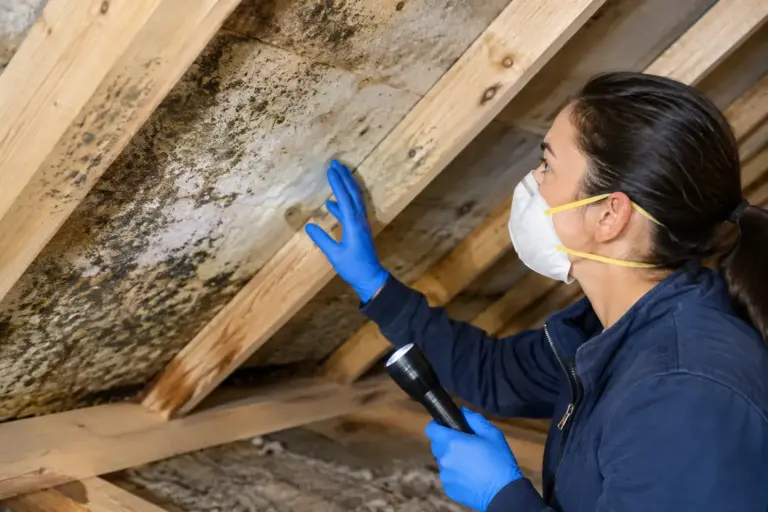
Keep the gutter channel clear, and confirm that water flows freely through every downspout. If a buried drain line is installed, inspect its outlet and make sure it is not blocked by soil, leaves, or mulch. Addressing a small issue early is far less costly than repairing rotten fascia, damaged siding, foundation moisture problems, or interior water damage later.
All Professional Remodeling Group can assess the condition of your gutters, roofline, and drainage path as part of a complete exterior protection plan. A professional evaluation provides a clear recommendation based on how your property handles water, not a one-size-fits-all product pitch. The goal is simple: when the next heavy rain reaches your roof, it should leave your property without leaving damage behind.