%20copy.png)
How Can Overhanging Trees Affect Roof Performance in Cedar Grove NJ?

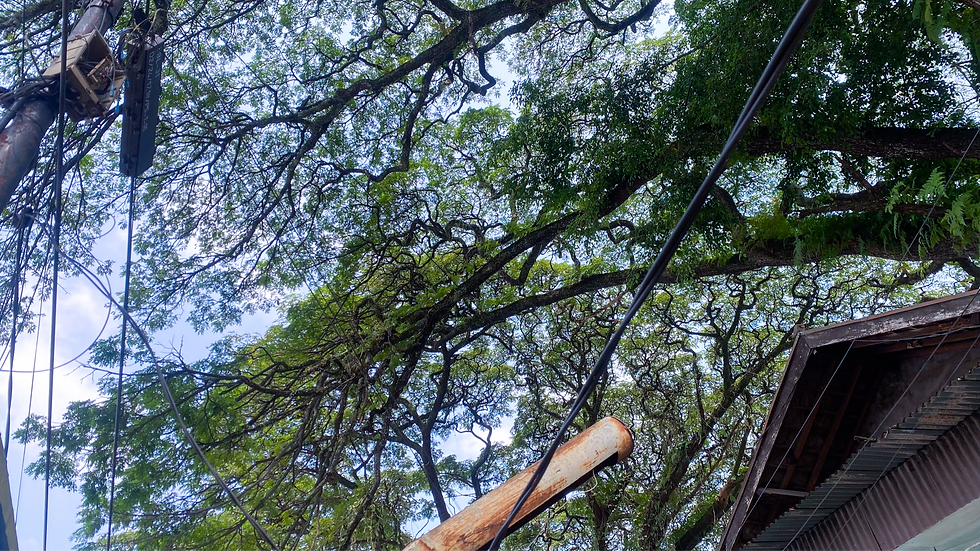
Anyone who has spent time in Cedar Grove knows that the tree cover is part of what gives the town its character, and for homeowners looking into high quality roofing services, that same tree cover plays a bigger role than most people realize. The older neighborhoods, particularly near Mills Reservation and the streets closer to the reservoir, sit under a canopy that residents have no interest in trading away.
Those same branches that shade the yards and line the streets also hang directly over a lot of rooftops in town, and after years of exposure, that overhead growth starts to shape how those roofs hold up.
Constant Contact Wears Down the Roofing Surface
A branch that hangs low enough to brush against shingles does not need a storm to cause damage. Ordinary wind is enough to create repeated contact between the branch and the roof surface, and over months and years that contact gradually wears away the protective granule layer on asphalt shingles. Once that layer thins out, the shingle underneath is more exposed to sun and moisture, which shortens its useful life well before the rest of the roof shows similar wear.
We see this pattern most often on the side of a roof that faces a mature tree line, where one section ages noticeably faster than the rest of the system simply because of years of branch contact that most homeowners never notice from the ground.
Falling Debris Collects in Valleys and Around Flashing
Beyond direct branch contact, trees drop a steady stream of smaller debris throughout the year, leaves, small sticks, seed pods, and in the fall a heavier volume of leaf litter. That debris tends to collect in roof valleys and around flashing points near chimneys and vents, areas that are already some of the more vulnerable spots on any roof.
When debris sits in these areas long enough, it holds moisture against the roofing material rather than letting water drain off normally. Over time, that trapped moisture can lead to accelerated wear in the valley itself or contribute to flashing corrosion in a way that would not happen if the area stayed clear.
Shade Changes How a Roof Dries After Rain
A roof that sits mostly in direct sun dries out fairly quickly after rain. A roof shaded heavily by overhanging trees does not get that same benefit, and sections that stay damp longer are more prone to moss or algae growth, particularly on the north facing slopes common throughout Cedar Grove's older neighborhoods.
That extended moisture exposure is a slower form of wear than storm damage, but it adds up over the years and is worth factoring into how often a roof in a heavily shaded yard should be checked.

Large Branches Pose a Direct Impact Risk
Beyond gradual wear, larger overhanging branches carry an obvious risk during high wind or an ice storm. A limb that breaks free and lands on a roof can crack shingles, damage decking, or in more serious cases compromise a section of the roof structure itself. Homes with mature trees close to the roofline, which describes a good number of properties throughout Cedar Grove, carry a higher version of this risk simply because of proximity.
What Homeowners Can Do to Reduce the Impact
Trimming back branches that hang directly over or close to the roofline is the most direct way to reduce both the gradual wear and the impact risk trees create. Keeping valleys and flashing points clear of accumulated debris, especially heading into fall, helps prevent trapped moisture from becoming a longer term problem. For sections of the roof that stay shaded most of the day, periodic inspection makes sense even without an obvious sign of damage, since the wear pattern in those areas tends to be slower and less visible than storm-related damage.
If tree-related wear has already affected part of your roof, isolated repair is often enough when the surrounding roofing system is otherwise in good shape. Our team looks at the whole roof during an inspection, not just the section closest to a tree line, so any recommendation reflects the actual condition of the system rather than a single problem area.
As a GAF Master Elite contractor, we bring the same standard to every inspection across Cedar Grove and the surrounding Essex County towns, whether the concern is tree-related wear, storm damage, or a roof simply reaching the end of its service life.
Related Topics:


Comments