A replacement window buying guide should start with more than a showroom sample or a low advertised price. For New Jersey homeowners, windows must stand up to cold winter drafts, humid summers, heavy rain, and the occasional wind-driven storm. The right choice can improve comfort, reduce unwanted noise, protect interior finishes, and strengthen the appearance of your home for years.
Replacement windows are a major exterior investment. The frame material, glass package, operating style, installation method, and warranty all affect how well that investment performs. A window that looks attractive on installation day is not necessarily the one that will remain weather-tight and easy to operate a decade later.
Start With the Condition of Your Existing Windows
Not every older window needs immediate replacement. A damaged lock, worn weatherstripping, failed screen, or minor trim issue may be repairable. Replacement becomes the better long-term decision when the window has persistent problems that affect the home’s comfort, protection, or value.
Look for recurring drafts, condensation between glass panes, water stains around the frame, rotted wood, cracked frames, difficulty opening or locking the sash, and outside noise that easily carries indoors. Fogging between panes usually means an insulated glass seal has failed. The window may still stay in place, but it has lost much of the insulation and clarity homeowners expect from modern glass.
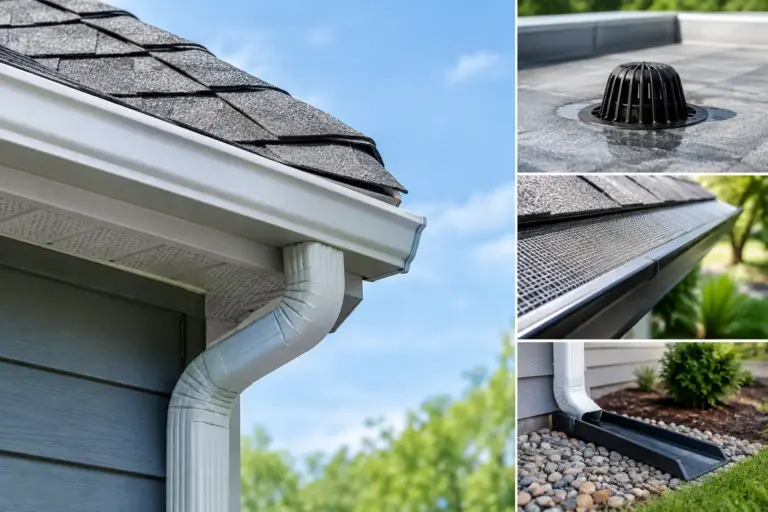
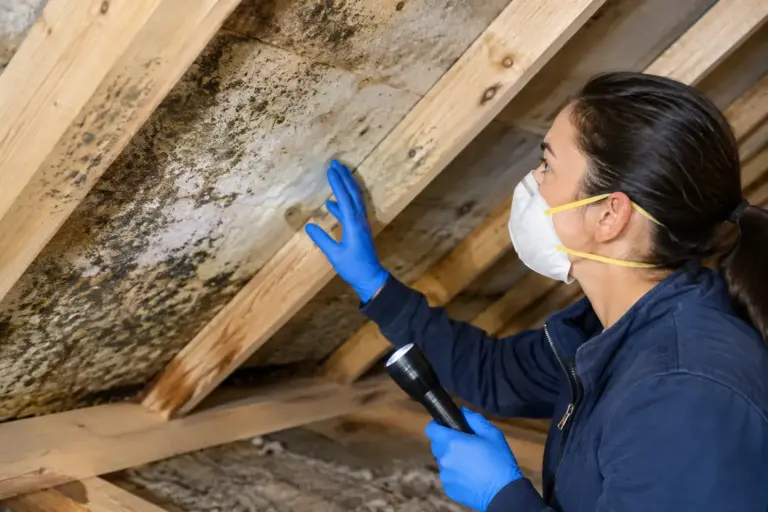
Water is the concern that deserves the fastest response. Staining, peeling paint, soft trim, or mildew near a window can point to failed flashing, deteriorated caulk, siding issues, or roof and gutter runoff. A qualified exterior contractor should identify the true source before replacing the window. Installing a new unit without correcting the surrounding water-management problem can lead to the same damage again.
Choose a Window Frame for Performance, Not Just Appearance
The best frame material depends on your home’s architecture, maintenance expectations, budget, and exposure to the weather. There is no single right answer for every Cedar Grove-area property.
Vinyl replacement windows are a practical choice for many homeowners. They are low maintenance, resist moisture, and provide strong insulating value when built with quality multi-chamber frames. Vinyl also offers an accessible price point, though color options and profile details can be more limited than other materials. Very low-cost vinyl units may have thinner frames, fewer reinforcement features, and less durable hardware.
Fiberglass windows are valued for strength, stability, and low expansion and contraction through changing temperatures. They can be a smart choice for larger openings or homeowners who want a slimmer frame profile with long-term durability. They typically cost more than vinyl, but their performance can justify the investment in the right application.
Wood windows remain a natural fit for many traditional homes. They offer classic detail and can be painted or stained to suit the interior. The trade-off is maintenance. Exterior wood requires consistent protection from moisture, and neglected paint or sealant can lead to rot.
Composite and clad-wood windows offer another middle ground. These products pair a wood interior look with a more weather-resistant exterior. They can deliver excellent appearance and performance, but product quality and installation details matter greatly at this price level.
Understand Glass Ratings Before Comparing Prices
The glass package is often where replacement window quotes differ most. Two windows with similar-looking frames can deliver very different comfort and energy performance.
Low-E glass has a microscopic coating that helps control heat transfer. In a New Jersey climate, it can keep indoor heat from escaping during winter while reducing unwanted solar heat in summer. The exact coating should match the window’s orientation and your home’s needs. A large south- or west-facing exposure may benefit from stronger solar control, while a shaded room may need to prioritize natural light.
Double-pane insulated glass is common in quality replacement windows, with argon gas placed between panes to improve efficiency. Triple-pane glass can offer added insulation and sound control, but it is not automatically necessary for every opening. It adds cost and weight, so the value depends on the room, exposure, and performance goals.
When reviewing options, ask about U-factor and solar heat gain coefficient. A lower U-factor generally means better insulation. Solar heat gain coefficient measures how much solar heat passes through the glass. Lower numbers limit heat gain, while a slightly higher number may be useful when winter sun is desirable. Numbers matter, but they should be interpreted in the context of your home rather than treated as a one-size-fits-all score.
If traffic, neighbors, or commercial activity create noise concerns, ask about laminated glass or an acoustic glass package. Sound reduction is influenced by glass thickness, spacing, and airtight installation. A premium glass package will not perform as intended if gaps remain around the frame.
Select Styles That Work for Daily Use
A window should be easy to operate, clean, lock, and maintain. Consider where it is located before selecting a style.
Double-hung windows suit many traditional homes and allow ventilation from the top or bottom sash. Casement windows crank outward and can create a tight seal when closed, making them a strong choice for energy efficiency. They work particularly well above kitchen counters or in areas where reaching to lift a sash is inconvenient.
Sliding windows are simple to operate and often work well in wider openings, though their sealing performance can vary by product. Awning windows open outward from the bottom and can provide ventilation during light rain. Picture windows maximize views and daylight because they do not open, but they should be paired with operable windows elsewhere if ventilation is needed.
Do not overlook egress requirements in bedrooms. If a replacement window serves as an emergency escape opening, its clear opening size and operation must comply with applicable building code. A smaller window may look proportionate from the exterior but fail to provide safe egress.
Why Professional Installation Protects the Investment
Even the best replacement window can fail early when installed incorrectly. Proper installation is not simply a matter of fitting a unit into an opening and adding caulk around the edge. The installer must assess the rough opening, inspect for hidden rot, establish a weather-resistant barrier, set the window level and square, insulate gaps appropriately, and finish the exterior so water drains away from the assembly.
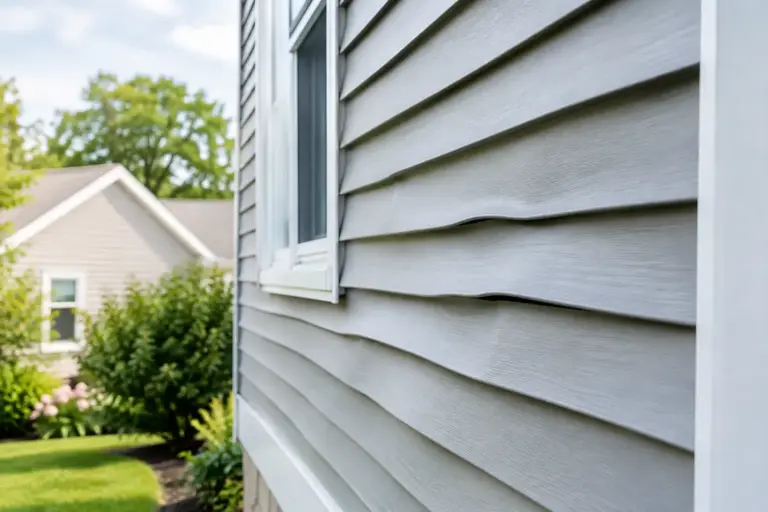
This is especially important when windows connect to aging siding, exterior trim, gutters, or roofing details. Water takes the path of least resistance. A contractor with broad exterior experience can evaluate how these systems work together rather than treating the window as an isolated project.
Ask whether the proposal includes removal and disposal of existing units, interior and exterior trim work, insulation around the frame, flashing or weatherproofing details, cleanup, and repair of concealed damage if it is discovered. A vague quote may appear less expensive because critical work is excluded or left undefined.
For homeowners who want coordinated exterior improvements, All Professional Remodeling Group can help evaluate replacement windows alongside siding, doors, gutters, and roofing conditions. That whole-exterior perspective helps protect the investment where different materials meet.
Compare Warranties and Estimates Carefully
A warranty should be easy to understand before work begins. Manufacturer coverage often differs for glass, hardware, frame components, finish, and accidental glass breakage. Installation workmanship coverage is separate and equally important. Ask who handles service if an issue develops, whether the warranty transfers to a future owner, and what actions could limit coverage.
When comparing estimates, make sure each proposal reflects the same scope. A lower quote may use a different frame series, standard glass instead of upgraded Low-E glass, fewer trim details, or a less thorough installation process. Price matters, but the real comparison is value over the expected life of the windows.
Also consider timing. Replacing every window at once can create a consistent appearance and may reduce project costs per opening. Phasing the work can make sense when only certain rooms have urgent problems or when a larger roof, siding, or door project is already planned. The right approach depends on the home’s condition and your budget.
Questions to Ask Before You Sign
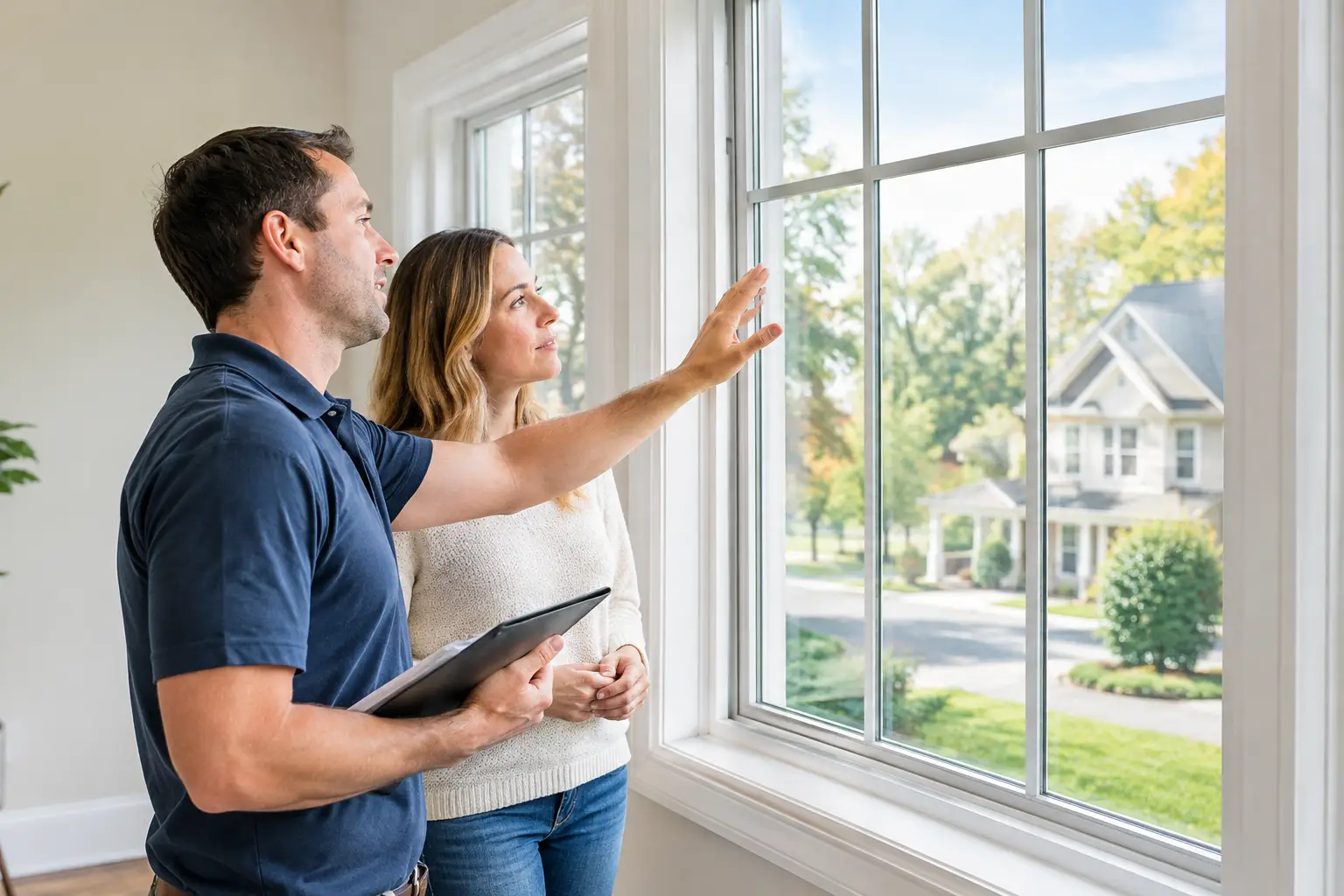
Before choosing a contractor and window product, get clear answers about the frame material and glass package, the expected installation process, the condition of the existing openings, permit requirements, project schedule, and warranty coverage. Request that the agreed specifications are written into the proposal, including window style, color, hardware finish, grids, glass options, and trim details.
A reliable contractor should explain recommendations in plain language and be willing to discuss trade-offs. For example, a higher-performing fiberglass window may be worthwhile on a highly exposed elevation, while a quality vinyl window may be the sensible choice for a protected guest room. Good guidance is specific to the property, not based on a generic sales pitch.
A replacement window should do its job quietly: close securely, keep conditioned air inside, shed water away from the home, and make the room more comfortable every day. Choose the product and installation team with that long-term responsibility in mind.