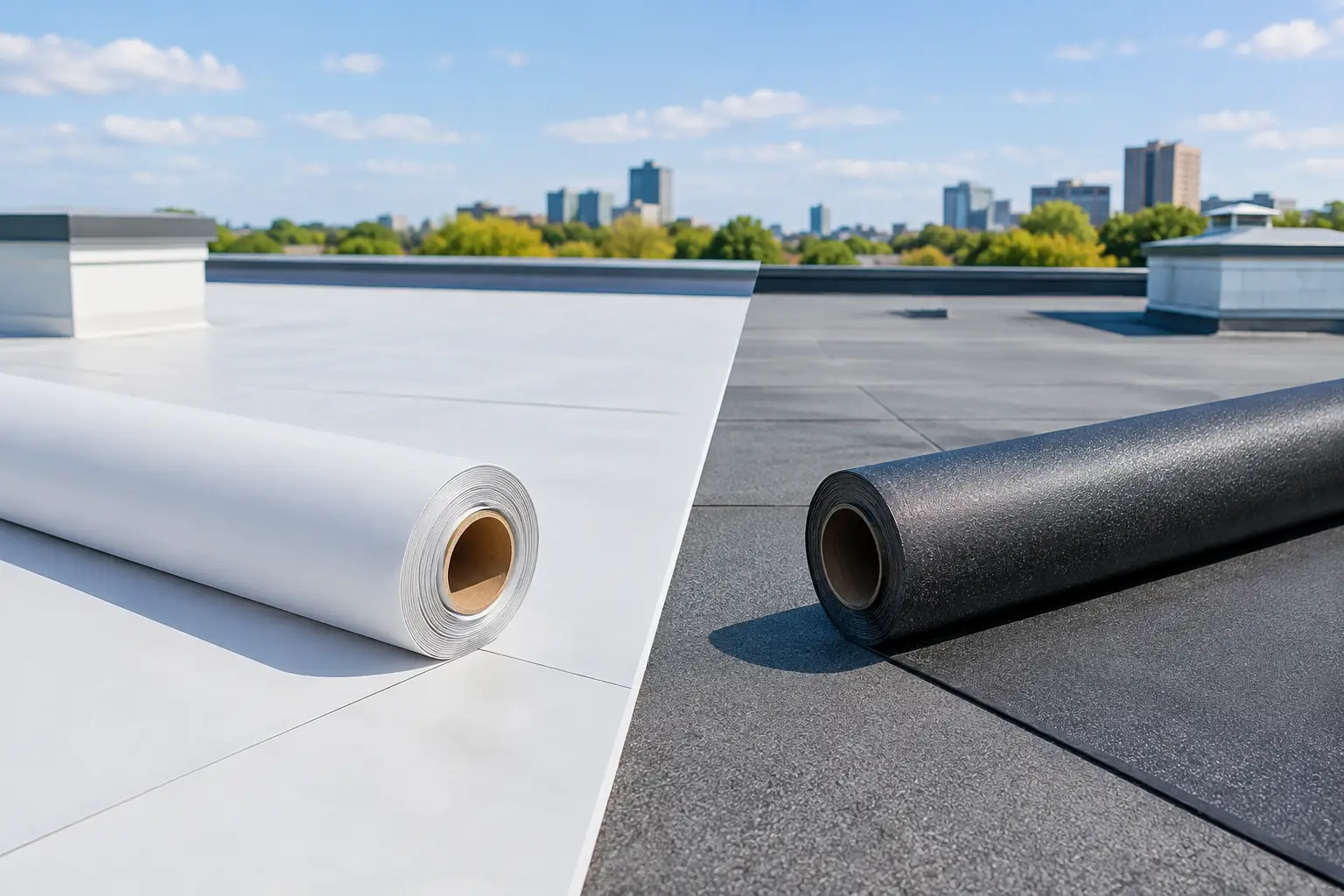
A flat roof does not get many second chances. Once water finds a weak seam, puncture, blocked drain, or poorly detailed edge, the damage can spread below the membrane and into insulation, decking, and occupied space. For commercial property owners comparing TPO versus PVC, the right choice comes down to more than color or the initial estimate. It comes down to how the roof will perform on your specific building for years to come.
Both TPO and PVC are single-ply roofing membranes commonly used on low-slope commercial roofs. They are lightweight, reflective, and installed in wide sheets that reduce the number of seams compared with older built-up roof systems. Both can be excellent roofing systems when they are specified correctly and installed by an experienced contractor. The differences matter most when a building faces chemical exposure, standing water, heavy rooftop traffic, complicated details, or a tight project budget.
TPO Versus PVC: The Core Difference
TPO stands for thermoplastic polyolefin. It is a single-ply membrane made from rubber and plastic polymers, typically reinforced with polyester fabric. TPO has become a widely used option for commercial buildings because it provides strong weather protection and a reflective surface at a generally competitive price point.
PVC stands for polyvinyl chloride. It is also a heat-weldable, reinforced single-ply membrane, but its chemical makeup gives it a long-established reputation for resistance to grease, oils, and certain chemicals. PVC is often selected for restaurants, food-processing facilities, industrial buildings, and properties where the roof needs extra protection from airborne contaminants or exhaust.
The materials may look similar from the ground, especially in white, but their formulations and ideal applications are not identical. A qualified roofing assessment should consider what happens on and around the roof, not just its square footage.
Where TPO Performs Best
TPO is a practical choice for many offices, retail buildings, warehouses, multifamily properties, and other low-slope roofs without unusual chemical exposure. Its white surface reflects sunlight, which can reduce heat absorbed by the roof assembly during New Jersey's warmer months. That can support energy efficiency, particularly when the full roof system includes proper insulation and ventilation planning.
A major advantage of TPO is value. It often provides a lower installed cost than PVC while still delivering dependable waterproofing and welded seams. For an owner replacing a large roof area, that difference can be meaningful without requiring a step down to a low-quality system.
TPO is also flexible enough to handle normal building movement and temperature changes. However, not every TPO membrane is the same. Thickness, reinforcement, manufacturer standards, fastening method, insulation, and edge detailing all affect long-term results. Choosing a membrane based only on the lowest bid can create problems later, especially around drains, parapet walls, penetrations, and rooftop equipment.
Where PVC Has an Advantage
PVC's strongest advantage is its resistance to chemicals, fats, oils, and grease. That makes it particularly well suited to roofs over restaurants, commercial kitchens, and facilities with vents that discharge grease-laden air. Those substances can degrade some roofing materials over time. A PVC membrane is designed to hold up better in those demanding conditions.
PVC also uses hot-air welded seams. When installed correctly, the overlapping sheets are fused together to create a continuous watertight bond. TPO seams are welded as well, so welding is not exclusive to PVC. Still, PVC has a long track record in applications where seam integrity and chemical resistance are especially important.
For buildings with frequent service activity, PVC can be a smart long-term investment when paired with designated walk pads around HVAC units and other equipment. It is not indestructible, and maintenance crews should still protect the membrane from sharp tools, dropped components, and unnecessary foot traffic. But the right PVC assembly can offer outstanding protection in a demanding environment.
Cost Is Important, but It Is Not the Whole Price
TPO is commonly the more budget-friendly option, while PVC may carry a higher upfront material cost. That general rule is useful, but it should not be treated as a final decision. Roof pricing depends on membrane thickness, roof size, tear-off requirements, insulation upgrades, drainage corrections, flashing details, access, permit needs, and the condition of the existing substrate.
A lower initial number can become expensive if the selected membrane is not appropriate for the building's use. For example, installing TPO over a restaurant kitchen exhaust area without addressing grease exposure could lead to accelerated wear. Conversely, paying for PVC on a standard office roof with no chemical exposure may not provide enough additional value to justify the premium.
The better question is not, “Which membrane costs less?” It is, “Which roofing system gives this property the best protection for the investment?” A detailed proposal should explain the complete assembly, not simply name the top sheet.
Heat, Weather, and New Jersey Roof Conditions
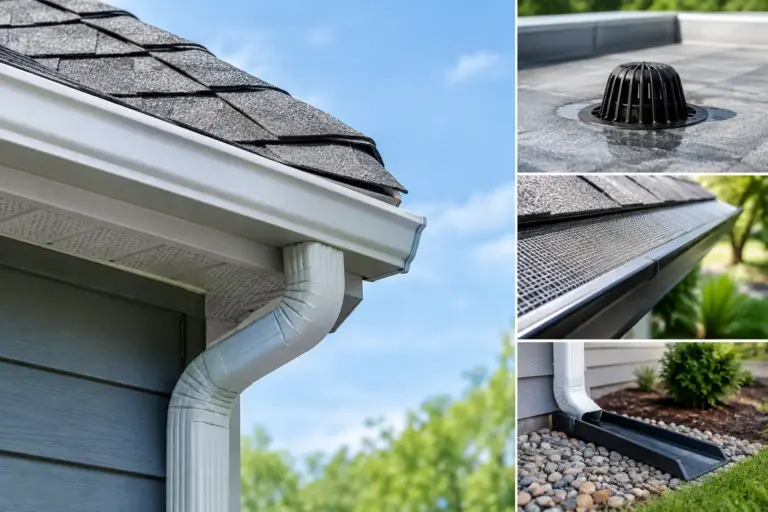
Cedar Grove-area commercial roofs see summer heat, winter cold, heavy rain, wind, snow, and freeze-thaw cycles. Both TPO and PVC can perform well in these conditions when the roof is properly designed and installed. The membrane is only one layer of the system. Water management, insulation, secure perimeter attachment, flashing, and regular maintenance are equally important.
Reflective white membranes can help limit rooftop heat gain, but reflectivity will not fix poor drainage. Standing water places stress on any low-slope roof and can reveal weaknesses in seams, penetrations, or aging materials. Before installing a new membrane, a contractor should identify ponding areas and determine whether tapered insulation, drain improvements, scupper work, or structural corrections are needed.
Wind resistance also deserves close attention. Edge metal, termination bars, fasteners, and attachment patterns must be designed for the building and local exposure conditions. A high-quality membrane cannot compensate for careless perimeter details.
Installation Quality Decides the Outcome
The best TPO or PVC product can still fail if the installation is rushed. Proper surface preparation, dry substrates, correctly spaced fasteners, clean welds, compatible accessories, and carefully formed flashing details are essential. Rooftop penetrations for pipes, vents, skylights, curbs, and mechanical equipment need special attention because they are common leak points.
A professional contractor should inspect the existing roof before recommending a recover or full replacement. In some cases, a recover system may be appropriate if the existing roof is dry, stable, and code-compliant. In others, trapped moisture or deteriorated materials make a complete tear-off the safer option. This decision should be based on an honest evaluation, not a one-size-fits-all sales approach.
After installation, a maintenance plan helps protect the investment. Seasonal inspections can catch clogged drains, loose flashing, storm damage, open sealant joints, and damage caused by other trades before they turn into interior leaks. Flat roofs are durable systems, but they should not be ignored until a ceiling stain appears.
How to Choose Between TPO and PVC
For many conventional commercial roofs, TPO delivers strong performance, energy-saving reflectivity, and a favorable balance of cost and durability. It is often the sensible choice for offices, retail spaces, apartment buildings, and warehouses where the roof is not exposed to grease or aggressive chemicals.
PVC is usually the stronger choice when chemical resistance is a priority. Restaurants, facilities with kitchen exhaust, and certain industrial properties can benefit from the added protection PVC provides. It may also make sense for owners who want a premium membrane solution and have a building environment that supports the added investment.
Neither material should be selected in isolation. The right recommendation depends on the building's use, drainage, roof traffic, existing conditions, insulation needs, budget, and warranty requirements. The goal is a complete roofing system that manages water effectively and remains dependable through changing New Jersey weather.
A roof replacement is a long-term property decision, not a commodity purchase. All Professional Remodeling Group can evaluate your low-slope roof, explain the practical trade-offs, and provide an expert roofing solution built around lasting protection for your building.