%20copy.png)
What Roofing Components Are Most Vulnerable to Weather Damage in Cedar Grove, NJ?

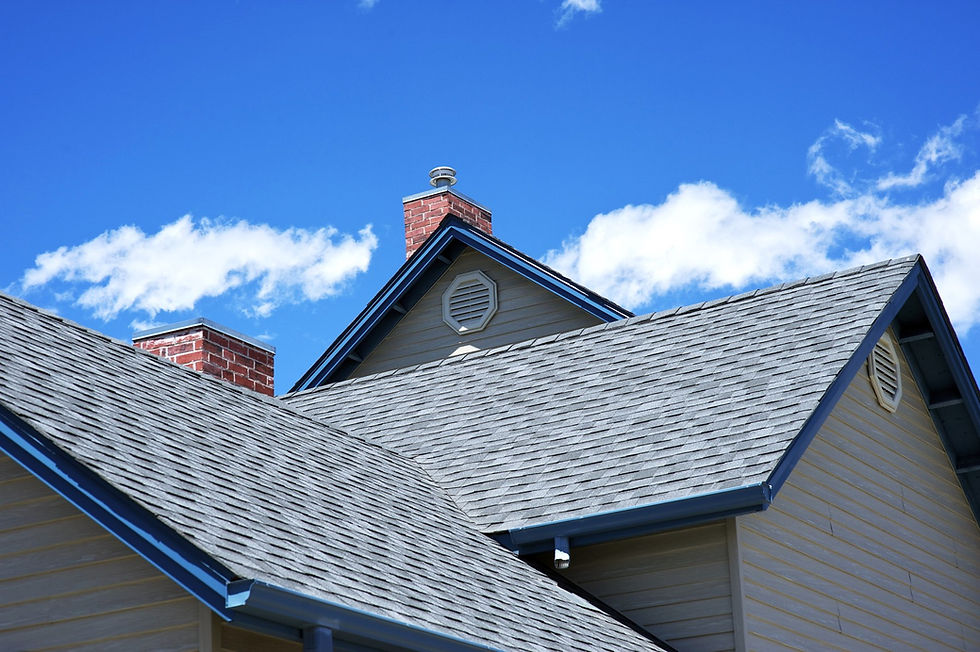
A roof is made up of several connected components, and weather does not hit each one the same way. Wind may loosen exposed edges, heavy rain can test flashing and drainage details, and debris can wear down surface materials over time. Repeated temperature swings, you know, stress joints and sealants in ways that are easy to miss until something actually fails.
Knowing the most vulnerable spots makes post-storm checks a lot more useful for Cedar Grove property owners. The goal is not to panic after every rough patch of weather. It's about knowing which parts need a closer look after tough weather.
A quality roofing contractor in Cedar Grove, NJ, already knows where damage tends to hide and can catch small issues before they turn into costly ones.
Why Are Shingles And Other Roof Coverings Exposed To Weather Damage?
Shingles and other exterior roof coverings take the direct impact of sun, rain, wind, and airborne debris. Because they form the outermost protective layer, visible wear often appears there first when a roof has been exposed to repeated weather cycles.
Wind can lift or displace materials, especially around roof edges and already weakened areas. Debris can scrape or puncture surfaces, while heavy rain can take advantage of small openings if materials are cracked, missing, or no longer seated properly.
A few damaged shingles do not automatically mean the entire roof needs replacement. Sometimes a targeted residential roof repair is all that's needed, depending on the extent of the affected area, the condition of surrounding materials, and whether water has reached lower layers.
Why Is Flashing A Common Trouble Spot?
Flashing is used where the roof changes direction or meets another surface. It is commonly found around walls, chimneys, vents, skylights, and other penetrations where water needs to be redirected away from joints.
These locations are vulnerable because they depend on several materials working together. This is exactly why roof flashing is important to check closely, since a bent, loosened, corroded, or separated section can let water reach an area that is normally protected. Wind-driven rain can make a small gap more noticeable, which is one reason flashing deserves a close look after any weather event.
Weather checks should pay special attention to visible flashing changes. From the ground, a lifted edge or shifted metal section may be visible, but a closer evaluation may be needed to determine whether the surrounding roofing has also been affected.
Taken together, the components most worth a closer look after rough weather are:
Shingles or other roof coverings
Flashing around chimneys, vents, and skylights
Roof valleys and drainage paths
Gutters, downspouts, and roof edges
Underlayment and decking, where accessible
Sealant around roof penetrations
Component | Common Weather Stress | What to Watch For |
Shingles | Wind, sun, debris impact | Lifted, cracked, or missing pieces |
Flashing | Wind driven rain, temperature swings | Bent, separated, or corroded sections |
Valleys | Heavy runoff, debris buildup | Slow drainage, standing debris |
Gutters | Wind, runoff volume | Sagging, clogging, separated joints |
Seeing a lifted shingle or a corner of flashing pulling loose after a windy week? Give us a call at (973) 857-9449, and we will check it before the next storm gets underneath it.
How Can Roof Valleys Be Affected By Heavy Rain And Debris?
Roof valleys collect runoff from two sloping roof sections, so they can carry a significant amount of water during heavy rain. Their shape also makes them natural collection points for leaves, twigs, and other debris.
When debris builds up, water may drain more slowly or move in ways the roof was not designed to handle. The materials in the valley can also experience more concentrated water flow than broad roof areas, which makes proper installation and upkeep especially worth attention.
Staying on top of this is one of the clearer benefits of regular roof maintenance, since debris removal is easy to schedule before it becomes a drainage issue.
A valley problem may not be easy to see from inside the home until moisture appears. Routine visual checks can help identify debris buildup, displaced materials, or signs that water is not moving away normally.
Why Do Vents, Skylights, And Roof Penetrations Need Extra Attention?
Any opening through the roof creates a transition that has to be sealed and flashed correctly. Vents, skylights, pipes, and similar penetrations depend on surrounding components to keep water outside while still allowing the feature to function.
Wind, rain, and temperature changes can affect sealants, flashing, fasteners, or nearby roofing materials over time. A skylight may appear intact while the flashing around it has shifted, or a vent may remain in place even though the surrounding seal has deteriorated.
All Professional Remodeling Group looks at these details as part of the overall roofing system. The team is based at 80 Lakewood Ave, Cedar Grove, NJ 07009, and treats a leak near a skylight or vent as something to trace carefully instead of assuming the visible fixture is the only source.
How Can Gutters and Roof Edges Be Damaged by Weather?
Roof edges and gutters are especially exposed to wind, runoff, and falling debris. Gutters can loosen, sag, clog, or separate at joints, while roof edge materials may experience uplift during strong wind events.
Heavy rain can reveal problems quickly. Water spilling over the gutter edge, running behind a gutter, or collecting near a downspout may indicate a blockage or damaged drainage component. These conditions can increase moisture exposure along fascia, siding, and nearby exterior surfaces.
Because gutters receive water directly from the roof, they should be included in storm checks and routine maintenance. Even when the roof covering is in good condition, poor drainage can create problems elsewhere around the exterior.
What Role Do Underlayment and Roof Decking Play?
Underlayment and roof decking sit beneath the visible roof covering, so damage to these layers may not be obvious from the ground. They support the roof assembly and provide additional protection beneath the outer roofing materials.
If water gets past the surface layer, these components can become involved. Repeated wetting may lead to staining, swelling, softening, or other deterioration in wood-based decking, depending on the amount of moisture and how long it remains present.
Interior clues such as attic dampness or ceiling stains can sometimes point to a problem below the roof covering. A thorough evaluation considers both the visible exterior materials and the condition of supporting layers when access allows.
How Should Homeowners Check These Components After Severe Weather?
Begin from the ground. Look for missing materials, debris, bent gutters, displaced flashing, or visible changes along roof edges. Then check ceilings, upper walls, and accessible attic areas for new moisture signs.
Avoid climbing onto a wet or potentially damaged roof. Surface conditions can be slippery, and storm damage may not be obvious until weight is placed on the area. Photos taken from a safe location can be useful for comparing what is seen over time.
The clearest signal to watch for is change. A roofing component that suddenly appears loose, shifted, stained, or damaged deserves more attention than an old cosmetic mark that has not changed. Knowing where weather-related problems tend to occur helps make post-storm checks faster, especially when paired with a professional look at the roof.
Frequently Asked Questions About Weather-Related Roof Damage
Which part of a roof usually fails first?
It varies by property, but shingles and flashing are typically the first components to show wear because they sit exposed to sun, wind, and rain directly.
Can a roof look fine from the ground but still have damage?
Yes. Components such as underlayment, decking, and flashing around penetrations are not always visible from ground level, so interior signs like attic moisture or ceiling stains can be the first real clue.
Should gutters be checked separately from the roof itself?
Yes. Gutters and downspouts handle roof runoff and can develop their own problems, such as clogging or separation, even when the roof covering is in good condition.
Cedar Grove homeowners who want a second opinion on their roof after a rough season can request a free inspection from All Professional Remodeling Group. Call (973) 857-9449 to schedule a visit.


Comments